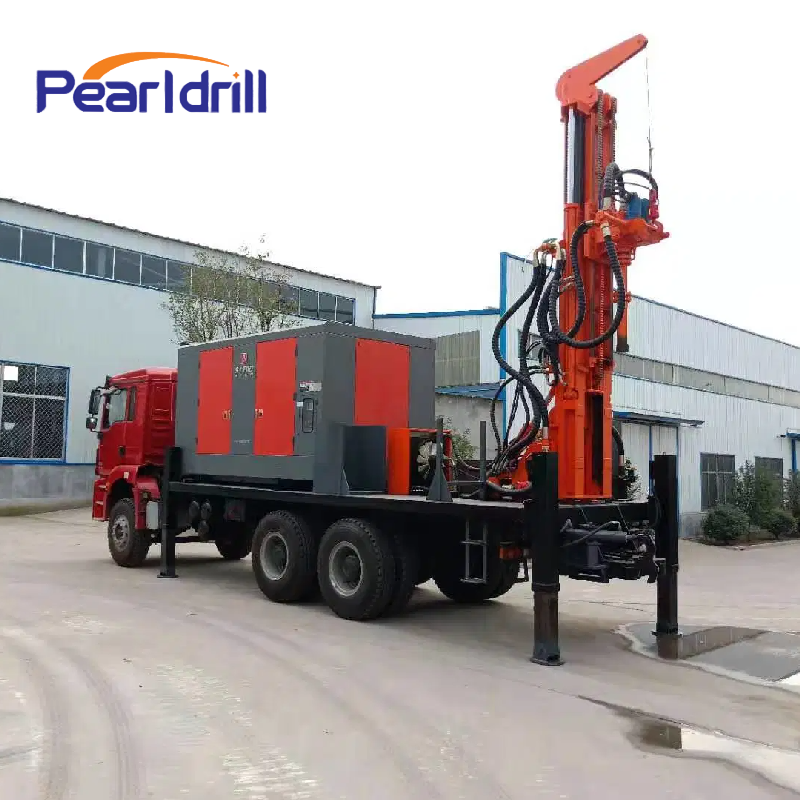
What is the African government support for the drilling industry

 Many African countries have given some degree of support to the drilling industry, mainly in the following areas:

1. Policy support

Tax incentives: Many African countries offer tax incentives to drilling companies

Land use rights: Governments will provide drilling companies with land use rights and simplify the approval process.

Financial subsidies: Some countries provide financial subsidies to drilling projects to support infrastructure development and technology research and development.

2. Infrastructure construction

Road construction: The government will invest in the construction of roads leading to the drilling site to improve transportation conditions.

Power supply: The government will increase investment in power infrastructure to ensure a stable power supply to the drilling site.

Communication network construction: The government will strengthen the communication network construction to provide good communication security.

3. Cultivation of human resources

Education and training: The government will strengthen the training of local talents and cultivate a group of high-quality drilling technicians.

4. Improvement of laws and regulations

Enactment of relevant laws and regulations: The government will enact comprehensive oil and gas laws and regulations to protect the legitimate rights and interests of investors and to regulate the development of the drilling industry.

5. Encouraging foreign entry

Investment facilitation: The Government will simplify the approval process for foreign investment and provide one-stop” services.

water well drilling rig

If you don't know how to pick the right water well drilling rig, click the link below to contact our professional team directly.

Contact us (gzpearldrill.com)

Comments

Popular posts from this blog

What are the disadvantages of PDC bit

  Even  PDC bits  offer lots of advantages, they also have some disadvantages that should be considered in certain drilling applications. Some of the disadvantages of PDC bits include: a) Higher initial cost: PDC bits generally have a higher initial cost compared to traditional roller cone bits. The advanced manufacturing processes and the use of synthetic diamond materials contribute to their higher price. However, considering their longer bit life and improved drilling efficiency, PDC bits can offer a better return on investment in many cases. b) Susceptibility to impact and vibration: PDC bits can be more susceptible to damage from impact and vibration during drilling operations. The fixed nature of the PDC cutters makes them less resilient to sudden shocks or excessive lateral forces. This can lead to premature cutter wear or breakage, reducing the overall bit life and drilling performance. c) Limited performance in highly abrasive formations: While PDC bits excel in ...

How to get the lowest price of PDC drill bits from supplier

If you wanna get the lowest price for   PDC Drill Bit s from a supplier, the following strategies you should employ : 1. Research Multiple Suppliers: Identify and research multiple suppliers or manufacturers of PDC drill bits. Look for reputable companies with a track record of delivering high-quality products. Having multiple options allows you to compare prices and negotiate effectively. 2. Request Quotes: Reach out to the suppliers and request quotes for the PDC drill bits you require. Provide them with the specific details of your drilling project, such as the quantity of drill bits needed, desired specifications, and any customization requirements. Ensure that the quotes provided are comprehensive and include all relevant costs. 3. Compare Prices and Terms: Compare the quotes received from different suppliers. Pay attention not only to the price but also to the terms and conditions offered, such as warranty, delivery time, payment terms, and after-sales support. A lower price ...

What are the Basic Maintenance Methods for Water Well Drilling Rigs

  Cleaning: After every day's operation, clean the mud, oil, and other debris on the rig in time to keep the rig clean. Checking lubrication: regularly check  the lubrication points to ensure that the lubricant is sufficient and the grease is clean. Fasteners check: you can check whether the bolts and nuts of each part are loose and tighten them in time. Hydraulic system checks: you can check whether the hydraulic oil level is normal, whether there is no leakage phenomenon, and whether the hydraulic oil is clean. Lubrication system maintenance: regular replacement of lubricating oil, grease, cleaning oil filter, and oil tank. Hydraulic system maintenance: regular replacement of hydraulic oil, cleaning hydraulic filter. Cooling system maintenance: clean the radiator, and check the coolant level. Transmission system maintenance: check the tightness of the transmission belt, and replace the worn transmission belt. Electrical system maintenance: check whether the line is firm...