Transportation of water well drilling rigs is crucial for drilling projects, as it directly affects the progress and cost of the project. How to speed up transportation is a concern for many drilling companies. The following will analyze how to optimize the transportation link and improve the efficiency from the perspective of water well drilling rig purchase process one by one.
1. Purchase stage:
Plan the transportation route in advance: Before purchasing the drilling rig, you should communicate with the supplier in detail, and plan the best transportation route from the factory to the construction site in advance, including the combination of highway, railroad, waterway and other modes of transportation.
Choose the suitable transportation mode: According to the size, weight and destination of the drilling rig, choose the most suitable transportation mode. For example, for large drilling rigs, it may be necessary to use special transportation vehicles or disassembled and transported in sections.
Cooperate with logistics companies: Choose experienced logistics companies to ensure that they have the ability to transport large equipment and can provide full tracking services.
2. Loading stage:
Professional loading and unloading team: Hire a professional loading and unloading team, who are familiar with the structure and disassembling and assembling process of the drilling rig, and can complete the loading work quickly and safely.
Reasonable planning of loading sequence: According to the size and weight of the parts of the rig, plan the loading sequence reasonably to avoid unstable center of gravity.
Firm fixing: Use professional fixing tools to fix the rig components firmly on the transportation vehicle to prevent displacement or damage during transportation.
3. Transportation stage:
Choose suitable transportation vehicle: According to the size and weight of the drilling rig, choose suitable transportation vehicle. For example, a multi-axle low-flatbed semi-trailer may be required for oversized rigs.
Apply for relevant transportation formalities: Apply for all kinds of transportation formalities in advance, such as over-limit transportation permits, passes, etc., to avoid delaying the trip due to incomplete formalities.
Real-time monitoring of transportation status: Use GPS and other technologies to monitor the location and status of transportation vehicles in real time, so as to deal with emergencies in a timely manner.
4. Arrive at the destination:
Notify the construction unit in advance: Before the transportation vehicle arrives at the destination, notify the construction unit in advance to make preparations for picking up the vehicle, so as to ensure that the unloading work goes smoothly.
Quick unloading: Organize enough manpower and material resources to complete the unloading work quickly and reduce the time occupied by vehicles. 5.
5. Other precautions:
Weather impact: Adverse weather will affect the transportation progress, should be done in advance to deal with the measures, such as choosing a sheltered port or postponing the transportation.
Influence of road condition: Understand the road condition along the way, avoid congested roads, and choose the road with better condition for traveling.
Laws and regulations: Strictly abide by traffic regulations to ensure transportation safety.
Insurance: Purchase insurance for the transported goods to cope with possible accidental losses.
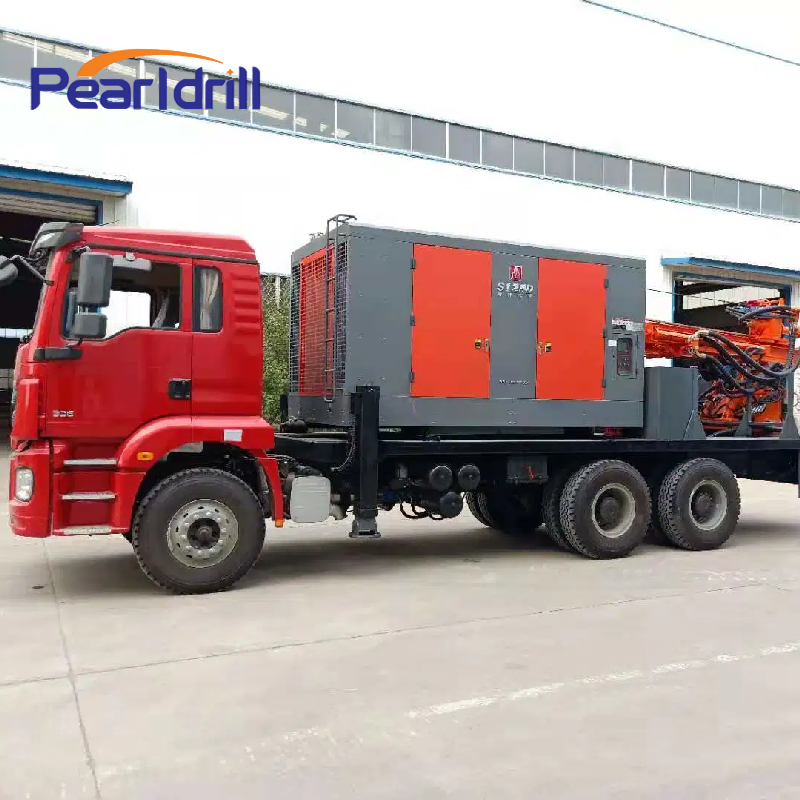
Summarize
To speed up the transportation of water well drilling rigs, you need to start from multiple aspects such as purchasing, loading, transportation, reaching the destination, etc., comprehensively consider various factors and make a detailed transportation plan. If you need a water well drilling rig urgently, click the link below to contact our professional team.
Contact us
Comments
Post a Comment