The use of coolant for water well drilling rigs has some similarities to the use of coolant for general drilling, but also has some unique considerations due to the special working environment and requirements of water well drilling rigs. The coolant used in water well drilling rigs is often referred to as “drilling fluid” or “mud”, and its function is not only cooling, but also includes carrying rock cuttings, stabilizing the wall of the well, and balancing formation pressure.
The following is a detailed explanation of how to use water well drilling rig coolant correctly:1. Main functions of drilling fluid:
Cooling and lubricating the drill bit: Reducing the temperature of the drill bit and drill pipe, reducing wear and prolonging service life.Carrying rock cuttings: Bringing the rock cuttings generated during the drilling process from the bottom of the well to the surface, preventing the accumulation of rock cuttings from clogging the drill bit and the bottom of the well.
Stabilizes the well wall: Forms a mud shield on the surface of the well wall, preventing the wall from collapsing.
Balance formation pressure: Balance formation pressure by controlling the density and viscosity of mud to prevent blowout or well leakage.
2. Types of drilling fluids:
Water-based mud: water is the main ingredient, and clay, polymer, chemical additives and so on are added to make it. It is the most commonly used type of drilling fluid, with low cost and easy to prepare and maintain.Oil-based mud: oil as the main component, add emulsifiers, organic soil, chemical additives and other formulations. It has excellent lubrication performance, anti-corrosion performance and high temperature stability, and is suitable for drilling deep wells, ultra-deep wells and high temperature and high pressure formations.
Gas-based drilling fluid: with air, natural gas or nitrogen and other gases as the main components, it is suitable for drilling in arid areas or special formations.
3. Performance index of drilling fluid:
Density: Control the pressure at the bottom of the well to prevent blowout or well leakage.Viscosity: affects the carrying capacity of rock chips and the fluidity of drilling fluid.
Water loss rate: Measure the ability of mud to form mud cake on the well wall.
Dynamic shear: Measures the ability of mud to carry rock cuttings.
PH: Control the acidity and alkalinity of mud to prevent corrosion of drilling tools and casing.
4. Use and maintenance of drilling fluid:
Formulation: According to the stratum condition and drilling requirements, choose the suitable mud type and formula, and formulate it strictly according to the formulation process.
Circulation: Pump the mud from the surface to the bottom of the well through the mud pump, return to the surface with rock chips after passing through the drill bit, and then circulate the mud through the mud treatment equipment after treatment.
Monitoring: Regularly monitor the performance indicators of the mud and make adjustments as necessary to ensure drilling safety and efficiency.Processing: The mud returned to the surface is processed by desanding, desludging, and viscosity reduction to remove impurities and rock debris and adjust its performance indexes.
Storage: Store the prepared mud in the mud pool or mud tank, and pay attention to prevent pollution and deterioration.
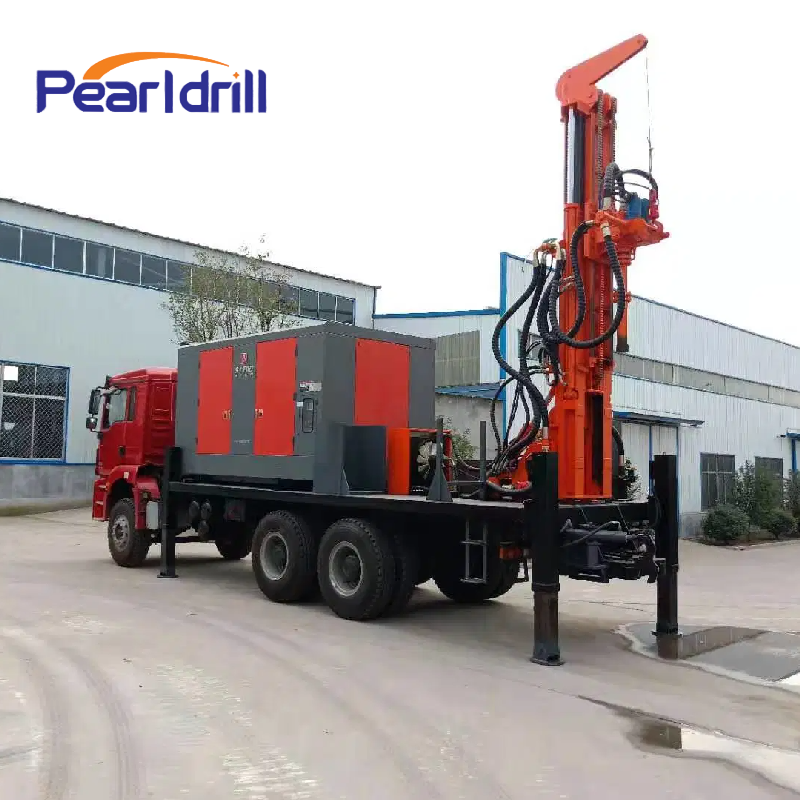
The correct use of water well drilling rig coolant (drilling fluid or mud) is an important factor in ensuring drilling safety, improving drilling efficiency, and reducing drilling costs. You need to choose the right type of mud, formulation, and use method according to the specific formation conditions, drilling requirements, and environmental protection requirements, as well as regular monitoring and maintenance.
If you need to buy a water well drilling rig, click the link below to contact our professional team.
Comments
Post a Comment